
 SERVICE
Service and Technical Information
SERVICE
Superheated steam is produced by applying additional heat to saturated water vapor. It has high energy density and thermal efficiency and is used in many industrial processes and power plants.
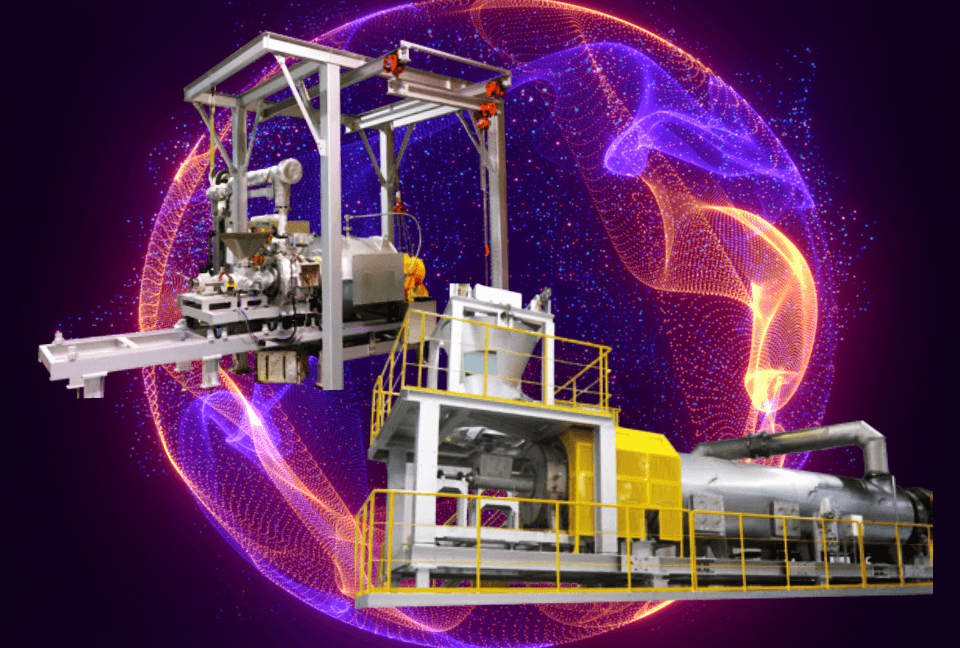
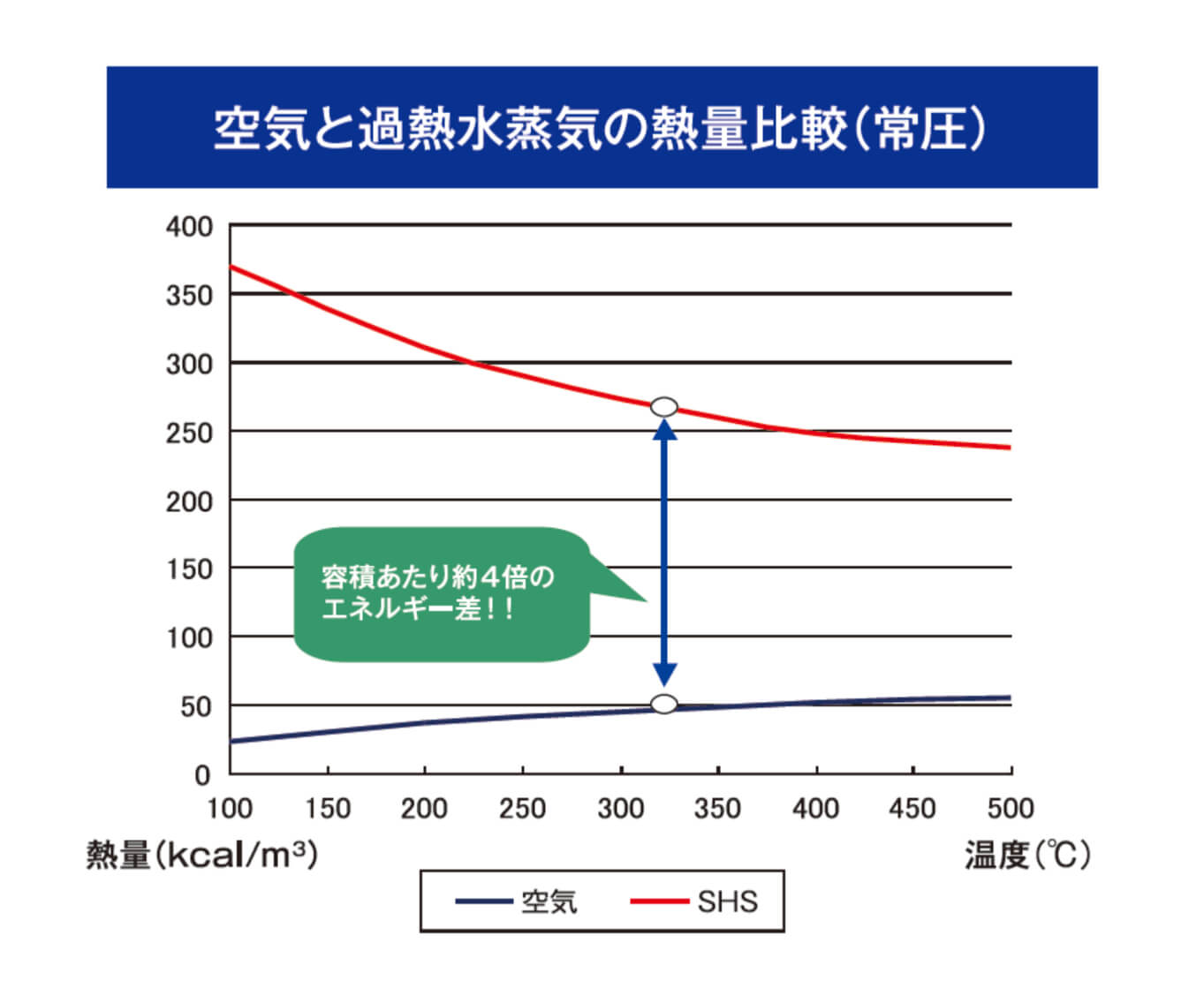
Superheated steam (SHS) is a state of water vapor produced by heating water vapor beyond its saturation temperature (approximately 100°C); it is a colorless, transparent gas composed of water vapor (H₂O). Generally, during the process of heating water to turn it into steam, once the steam reaches the saturated state, applying additional heat transforms it into superheated steam. Superheated steam has high energy density and thermal efficiency and is used in many industrial processes and power plants.
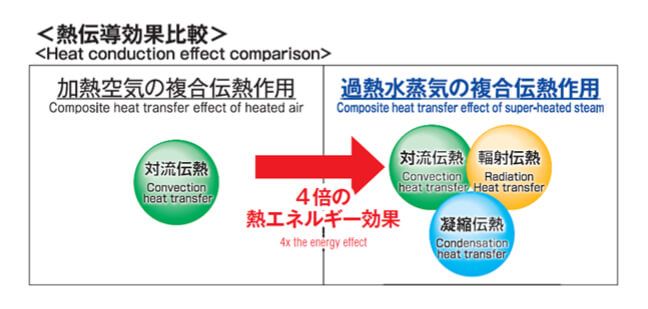
Superheated steam (SHS) contains four times as much thermal energy (per unit volume) as hot air and can heat materials through a combination of convection, radiation, and condensation.
In a superheated steam atmosphere, an ultra-low-oxygen environment similar to that of an inert gas can be achieved, enabling oxidation suppression, thermal decomposition, and carbonization.
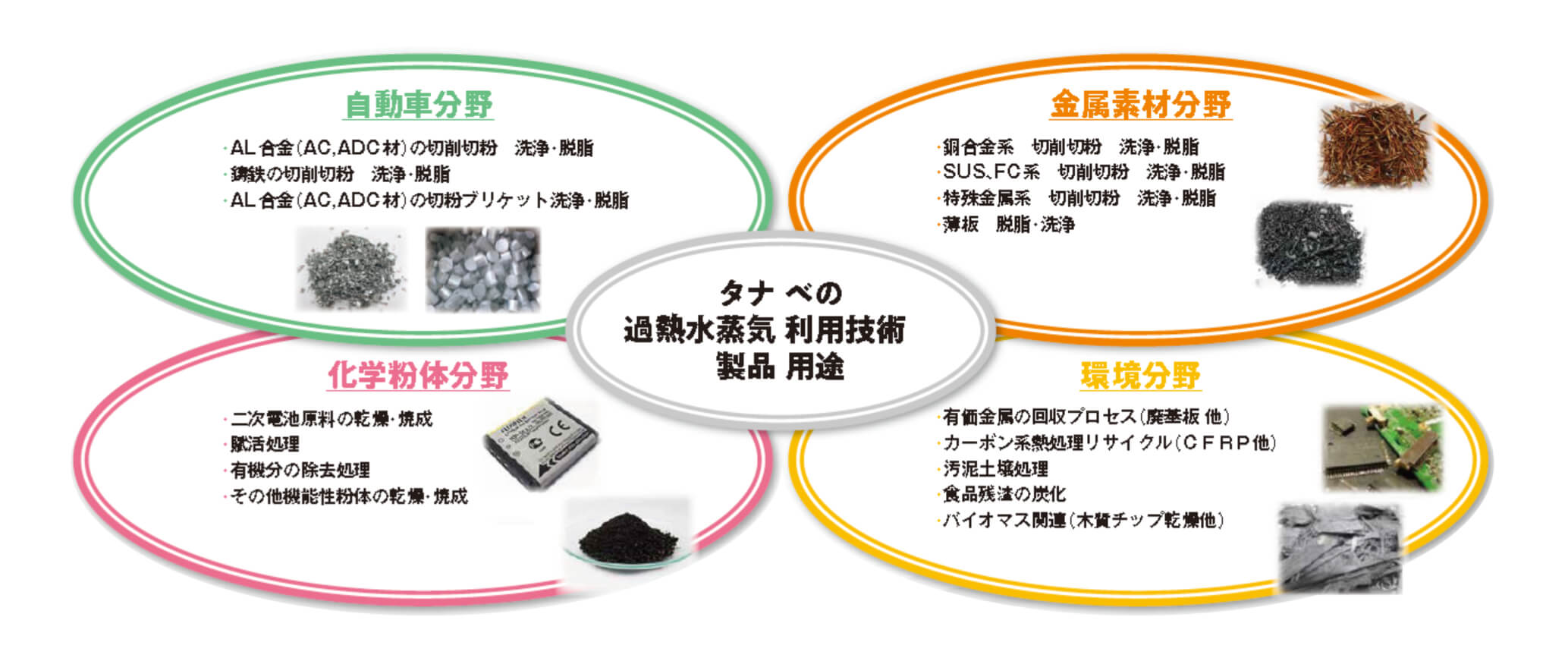
Thanks to the properties of superheated steam (SHS), which creates an ultra-low-oxygen treatment atmosphere, stable heat treatment is achieved without causing combustion inside the furnace.
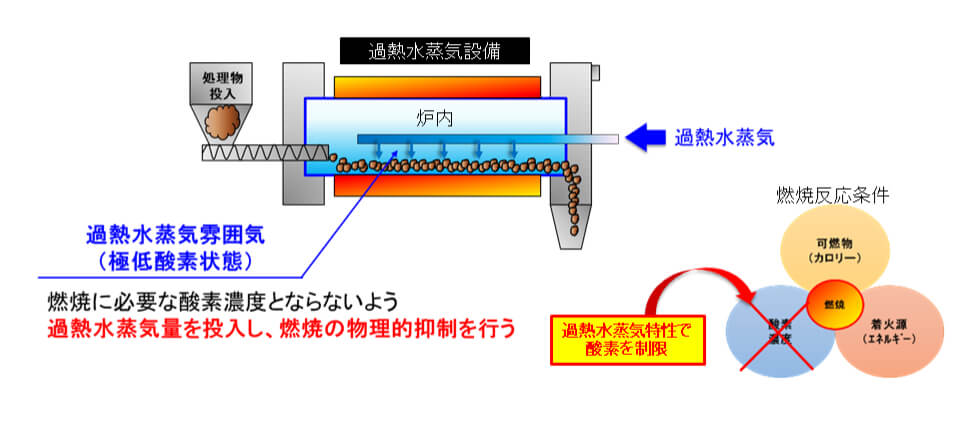
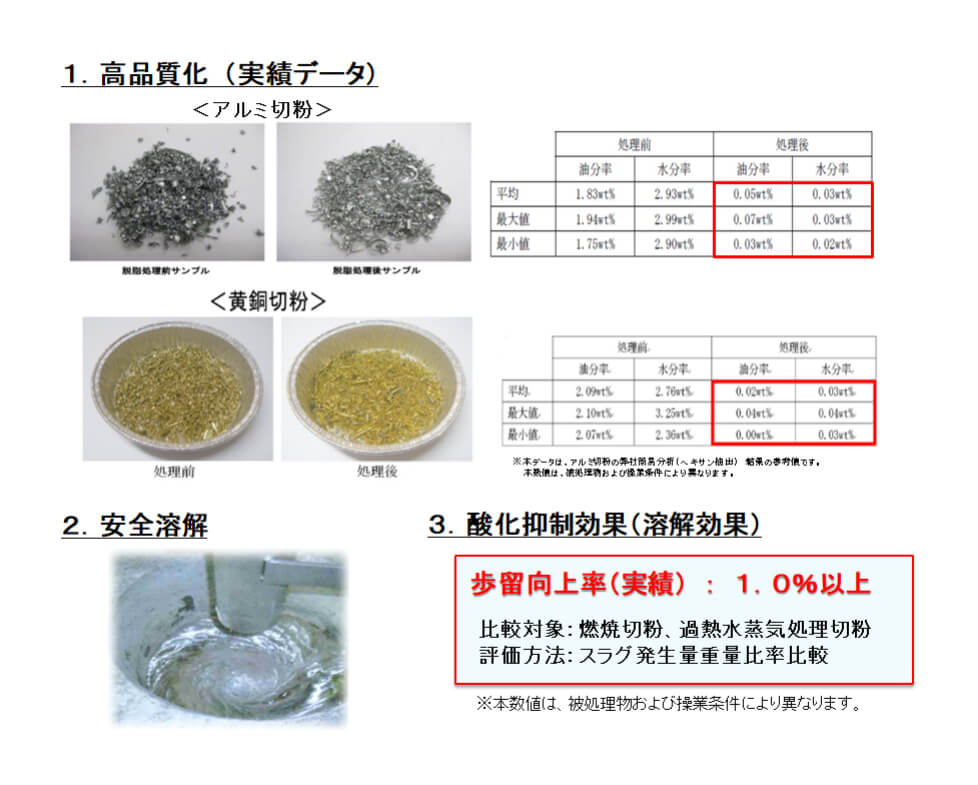
By performing the process in a superheated steam atmosphere—which has the same effect as an inert gas—we aim to improve product quality by suppressing oxidation of the treated material.
(Improved yield and safe dissolution during metal dissolution through oxidation suppression and reduction of residual carbon content)
We maximize the use of the energy from the processed material and the waste heat generated, implement heat recycling within the equipment system, and strive to reduce operating costs (through energy conservation).
(Use as a heat source for heating equipment and for steam generation using a waste heat boiler)
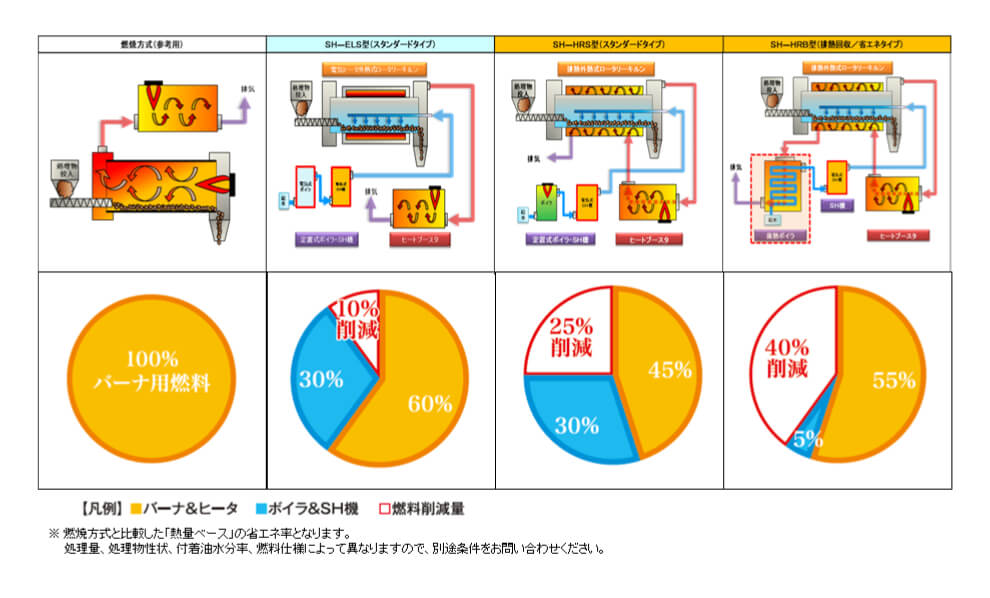
We will propose the optimal solution based on your needs and processing conditions.
The use of electric heaters enables easy operation and precise temperature control, and this model is capable of processing materials at high temperatures (up to 800°C).
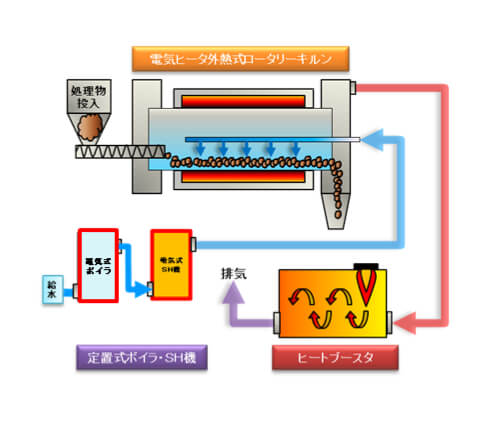
The use of electric heaters enables easy operation and precise temperature control, and this model is capable of processing materials at high temperatures (up to 800°C). Additionally, the use of a waste heat boiler improves energy efficiency in steam generation.
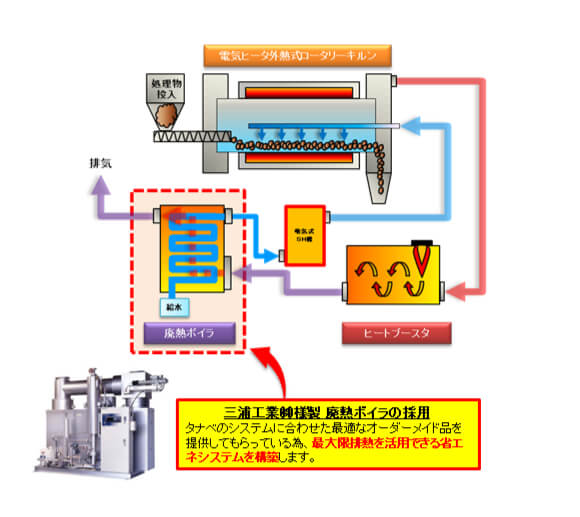
An energy-efficient model that maximizes the thermal recycling of the energy (calorific value) in the waste being processed. By designing an optimal exhaust gas system tailored to the waste’s calorific value and utilizing the recovered heat, it dramatically reduces the unit processing cost.
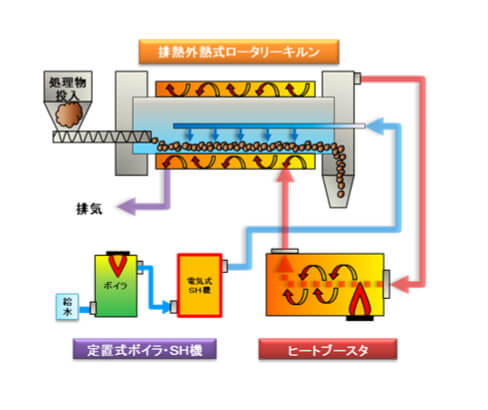
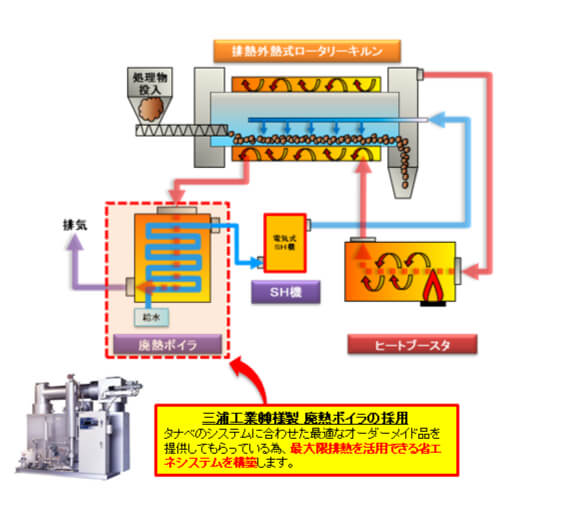
An energy-efficient model that maximizes the thermal recycling of the energy (calorific value) in the waste material. By designing an optimal exhaust gas system tailored to the waste’s calorific value and utilizing the waste heat, it dramatically reduces the unit processing cost. Additionally, the use of a waste heat boiler improves energy efficiency in steam generation.
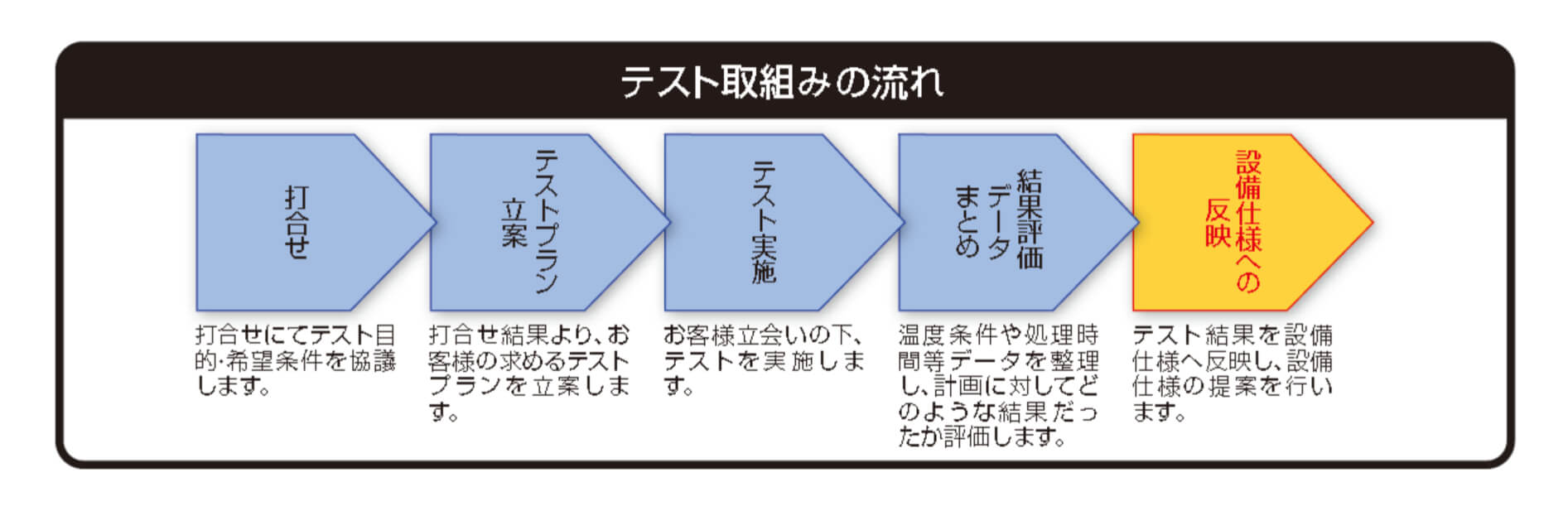
We can conduct validation tests for equipment installation based on your heat treatment needs, whether for research and development purposes (such as product improvement or the development of next-generation powders) or to evaluate the feasibility of implementing a rotary kiln system.
This is a continuous rotary kiln that uses an external heating system with electric heaters as its heat source, allowing for easy temperature control.
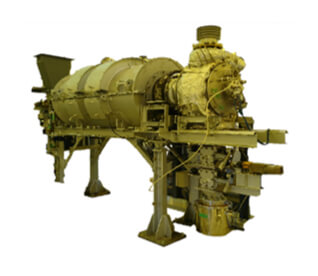
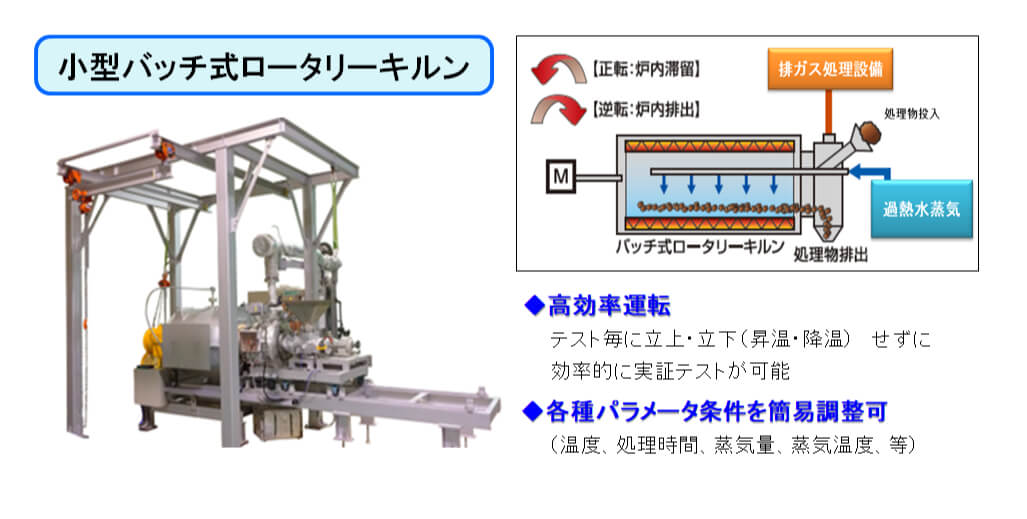
This is a small-scale batch-type rotary kiln that allows for easy temperature control using electric heaters and facilitates performance evaluation of small-lot samples through batch processing.
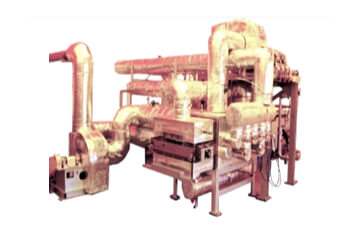
A hot-air circulation mesh belt oven system. It enables performance testing and evaluation of irregularly shaped materials and components that cannot be processed in a rotary kiln.
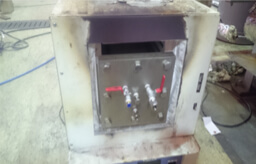
Box-Type Device (Batch-Type) for Simple Testing
Special Patent No. 4199758, “Apparatus for Degreasing and Recycling Mixtures and Mixed Waste”
Japanese Patent No. 4134150 “Apparatus and Method for Degreasing Magnesium Alloys and Mixtures Containing Magnesium Alloys”
SERVICEService and Technical Information
Casting Division
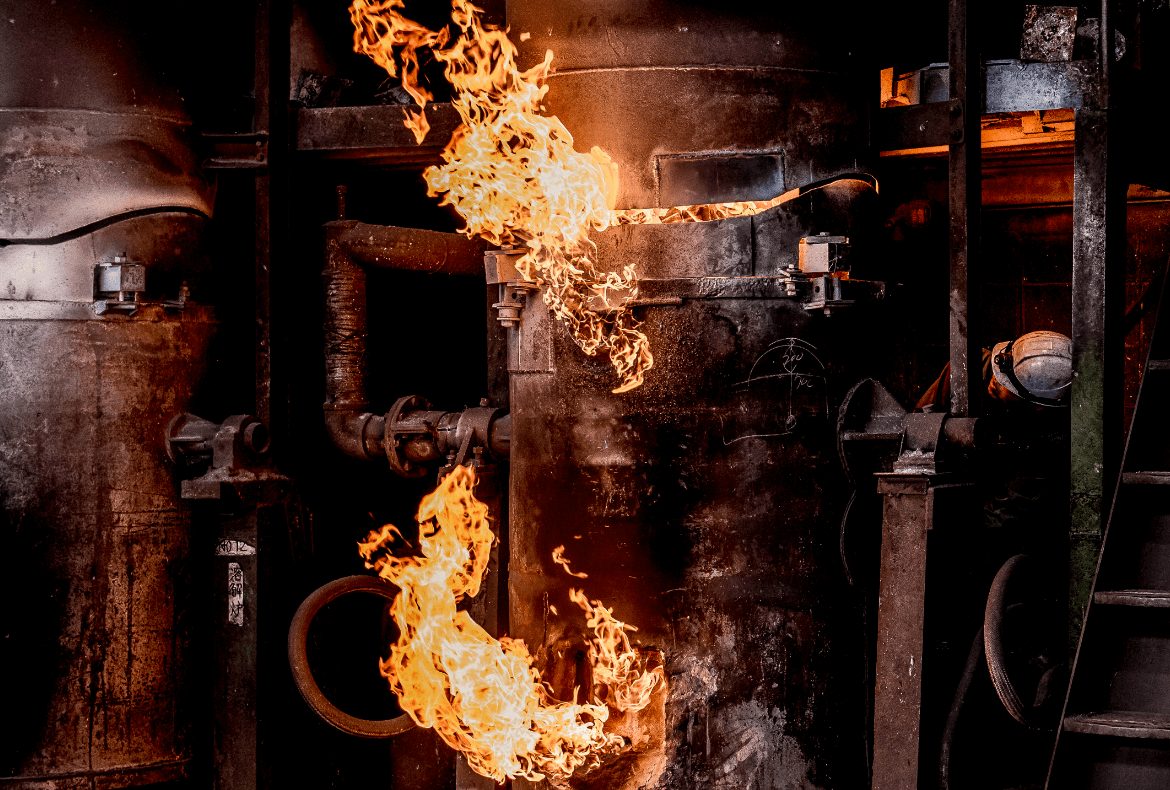
Drawing on the expertise we have cultivated as a leading manufacturer of various types of electric furnaces, we specialize in complex castings involving multiple cores.
VIEW MORE
Procurement Information
We are actively seeking suppliers to assist us with the procurement of materials, parts, equipment, and various services.
VIEW MORESuperheated Steam Technology
Here, we introduce superheated steam technology, which features high energy density and thermal efficiency and is used in many industrial processes.
VIEW MORE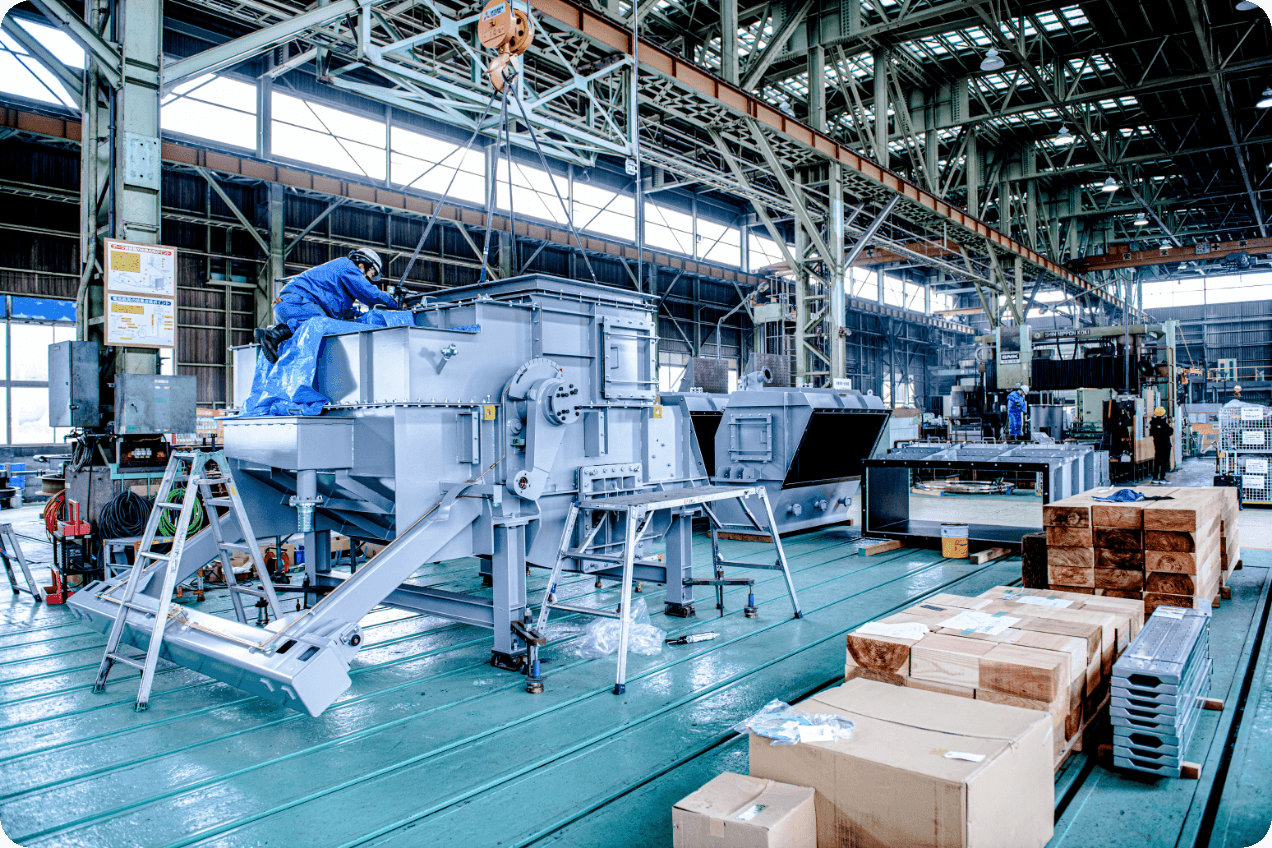
Contract Manufacturing
This is a contract manufacturing business that utilizes our in-house manufacturing and processing equipment, such as electric furnaces and rotary kilns.
VIEW MORECONTACT
Tanabe: World-Renowned for Its Thermal Technology
Please feel free to contact us.